Various types of Electronic Shelf Label (ESL) have their own functions and advantages. The types are ESL E-paper, Color ESL, with NFC or QR code features, Modular ESLs, and ESL LCD, which uses electronic paper technology to display.
ESL LCD allows the display of a variety of colors in one panel, such as red, yellow, or green, to attract attention. This is also directly connected to the store's data center wirelessly, allowing for automatic updates of price changes, discounts, and new promotions from a distance.
This article explains the ESL LCD, starting with its definition, operations, applications, and advantages.
ESL LCD
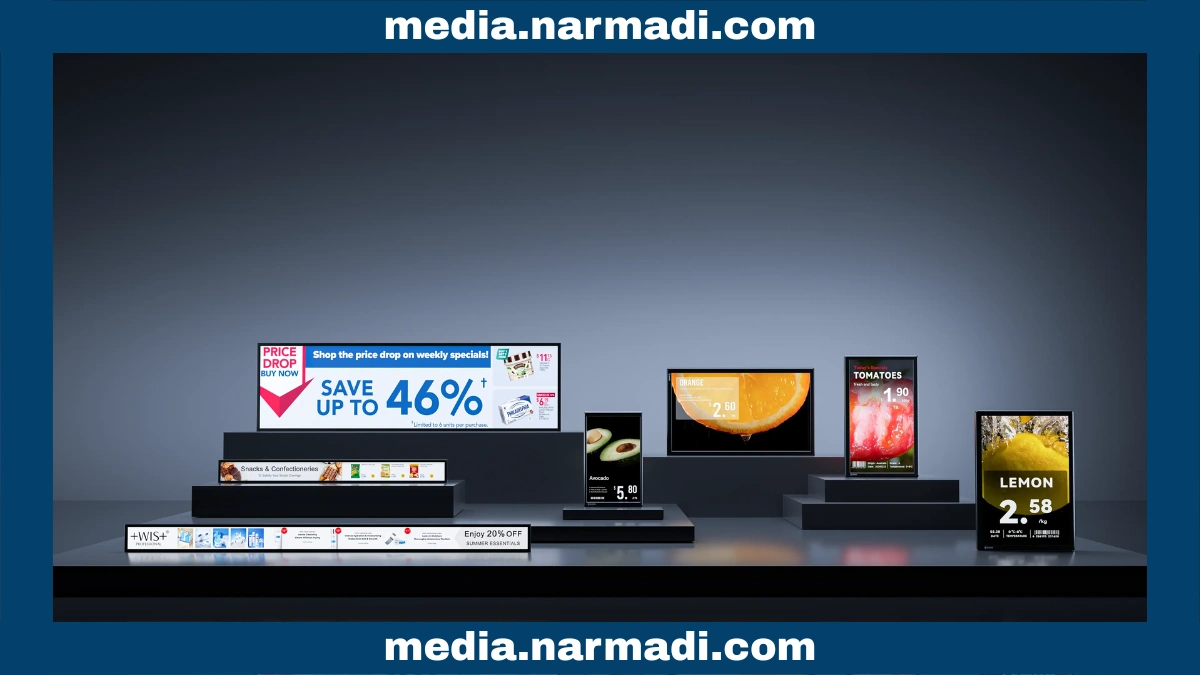
For those who want to display information dynamically, there is a type of electronic shelf label that uses Liquid Crystal Display (LCD) technology. This screen allows you to display a variety of colors in one panel, such as red, yellow, or green, to attract attention.
ESL LCD has brighter colors than regular color ESL. Although they usually serve the same purpose of highlighting items that are on promotion or heavily discounted, you must be selective when using this type of ESL because it consumes a lot of power.
How do They Work?
ESL LCDs work using liquid crystal technology. Unlike e-paper, LCD screens require backlighting. Light passes through a filter with a layer of liquid crystals to transmit characters, numbers, or images. This display shows prices or product information.
The general ESL process includes:
- Centralized database: The store's Point of Sale (PoS) or Enterprise Resource Planning (ERP) system stores all product information, prices, and promotions. All data changes are updated through this system.
- Data transmission: Changes made will transmit data wirelessly to each relevant electronic label.
- Receiving and displaying the screen: The ESL device will receive the data, and the screen display will be instantly and automatically updated.
The Example of Application
Its ability to display prices automatically and quickly makes ESL LCD a valuable tool in many sectors. Here are some examples of its use:
- Retail stores and supermarkets: Replace traditional paper labels on product shelves with digital label update prices, product information, and discounts in real-time, simultaneously across all stores.
- Warehouses and logistics: Used to help with more efficient and accurate inventory management as markers for storage locations, inventory information, or order status.
- Pharmacies: Displaying medication information, dosage, price, and expiration date to ensure the accuracy of critical information.
- Electronics stores: Display product technical specifications, prices, and feature comparisons quickly without the need to reprint physical labels.
- Meeting rooms and offices: Can be used as digital signage to show room status, meeting schedules, or important announcements.
- Laboratories and industrial environments: Used to label instruments, chemicals, or samples with information that may change or needs to be monitored digitally.
The Advantages
Here are the main advantages of ESL LCD:
- Automatic and efficient updates: Product prices and information can be updated directly from the system’s data center, eliminating the need for manual labeling of paper.
- Price accuracy: Eliminates manual pricing errors that may differ from those in the Point of Sale (POS) system.
- As a new marketing tool: Adding features such as NFC to provide product information or additional coupons to customers via their mobile phones.
- Long-lasting: Has very low power consumption and a very long battery life of up to 10 years.
- Attractive display: LCDs can display a wide range of colors, making them more appealing and easier to read.
That's a brief overview of the ESL LCD, covering its definition, operations, application, and advantages. This device will clearly offer automatic and efficient updates, accurate pricing, and serve as a new marketing tool, featuring a long-lasting and attractive display. [UN]